Legacy Realty
Logo
Our Journal

Blogs &
News

Stay updated with the latest trends, investment opportunities, and lifestyle insights in the heart of UAE real estate.

Process
May 02, 2026

Living in Dubai: Cost of Living Breakdown for Property Buyers (2026 Guide) Introduction

Understanding the cost of living in Dubai is essential for anyone planning to invest in property or relocate. Dubai offers a luxurious lifestyle, tax-free income, and world-class infrastructure—but these benefits come with varying expenses depending on your lifestyle and location choices.This guide provides a detailed breakdown of the cost of living in Dubai, focusing on key expense categories like rent, utilities, transportation, and lifestyle costs—specifically tailored for property buyers.  Why Understanding the Cost of Living in Dubai Matters for Property BuyersBefore purchasing property, it’s important to evaluate ongoing living expenses. Beyond the purchase price, costs such as maintenance, service charges, and daily living expenses significantly impact your financial planning.Key Considerations:Long-term affordabilityRental yield vs. personal useLifestyle expectationsLocation-based cost variations  Rent and Property Costs in DubaiAverage Property PricesDubai’s real estate market varies widely based on location, property type, and amenities.Popular Areas and Price Ranges:Downtown Dubai: Premium pricing with luxury apartmentsDubai Marina: High demand for waterfront livingJumeirah Village Circle (JVC): Affordable mid-range optionsDubai Silicon Oasis: Budget-friendly for familiesRental Costs (Annual Estimates)Studio Apartment: AED 25,000 – AED 60,0001-Bedroom Apartment: AED 40,000 – AED 90,0003-Bedroom Villa: AED 120,000 – AED 300,000+Additional Property CostsService Charges: AED 10–30 per sq. ft.Maintenance FeesHome InsuranceProperty Registration Fees (~4%)  Utility Costs in DubaiMonthly Utility ExpensesUtilities in Dubai are managed primarily by DEWA (Dubai Electricity and Water Authority).Typical Monthly Costs:Electricity & Water: AED 300 – AED 800 (apartment)Cooling (AC via district cooling): AED 200 – AED 600Internet & TV Packages: AED 300 – AED 700Factors Affecting Utility BillsProperty sizeAir conditioning usageBuilding efficiencySeasonal variations (higher in summer)  Transportation Costs in DubaiPublic TransportDubai offers a reliable and affordable public transport system.Monthly Costs:Metro/Bus Pass: AED 200 – AED 350Taxi Starting Fare: AED 12+Private TransportationOwning a car is common in Dubai.Estimated Monthly Costs:Fuel: AED 300 – AED 600Car Insurance: AED 1,500 – AED 4,000 annuallyParking Fees: Varies by area  Food and Grocery ExpensesGrocery CostsSingle Person: AED 800 – AED 1,500/monthFamily of Four: AED 3,000 – AED 6,000/monthDining OutCasual Meal: AED 30 – AED 70Mid-range Restaurant (2 people): AED 150 – AED 300Fine Dining: AED 500+  Lifestyle and Entertainment CostsFitness and WellnessGym Membership: AED 150 – AED 500/monthPersonal Training: AED 150 – AED 400/sessionLeisure ActivitiesCinema Ticket: AED 35 – AED 60Beach Clubs & Brunches: AED 150 – AED 500Shopping: Highly variable depending on lifestyle  Education and Healthcare CostsEducation (for Families)International School Fees: AED 20,000 – AED 100,000/yearHealthcareHealth Insurance: AED 600 – AED 5,000/yearDoctor Consultation: AED 150 – AED 500  Cost of Living in Dubai: Monthly SummaryEstimated Monthly ExpensesCategorySingle PersonFamily of FourRent3,000–8,0008,000–20,000Utilities500–1,2001,000–2,500Food800–1,5003,000–6,000Transport300–1,0001,000–2,500Lifestyle500–2,0002,000–5,000Total5,100–13,70015,000–36,000  Tips to Manage the Cost of Living in DubaiSmart Strategies for Property BuyersChoose emerging communities for better valueOpt for energy-efficient buildingsCompare service charges before buyingConsider proximity to work to reduce transport costsBudget for hidden costs like maintenance and cooling  Is Dubai Expensive for Property Buyers?Dubai can be as affordable or luxurious as you choose. While the cost of living in Dubai is higher than many global cities, the absence of income tax and high rental yields make it attractive for investors.  ConclusionThe cost of living in Dubai varies significantly depending on your lifestyle, location, and property choices. For property buyers, understanding these expenses is crucial for making informed investment decisions.Whether you're planning to live in your property or rent it out, a clear breakdown of costs ensures long-term financial stability and maximized returns.  FAQsWhat is the average cost of living in Dubai per month?It ranges from AED 5,000 to AED 15,000 for individuals, depending on lifestyle.Is Dubai cheaper than London or New York?Dubai is generally cheaper in terms of taxes and some living expenses, but rent in prime areas can be comparable.Can foreigners buy property in Dubai?Yes, foreigners can buy property in designated freehold areas.
Read Full Article

Process
April 18, 2026

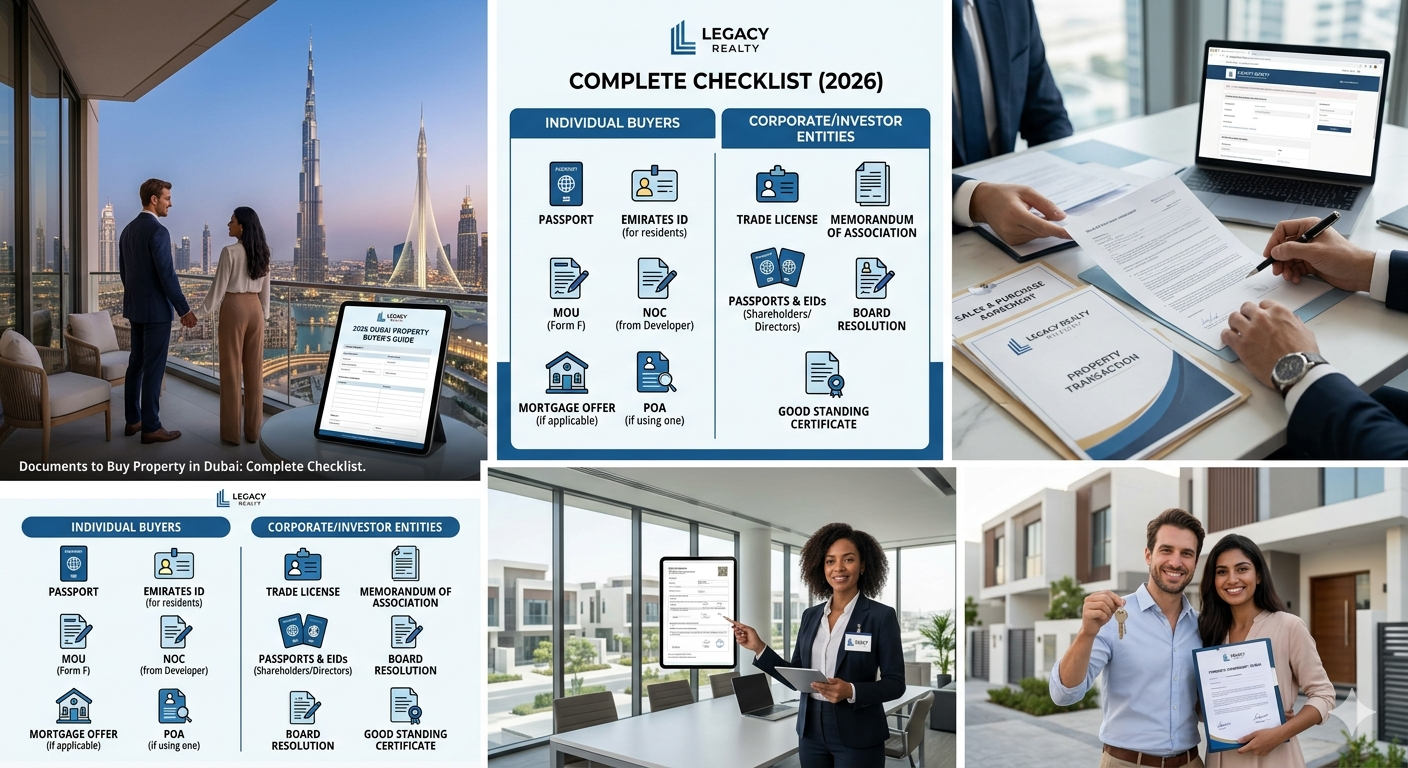
Documents to Buy Property in Dubai: Complete Checklist for Buyers & Investors (2026 Guide)

Buying real estate in Dubai is straightforward, but having the right paperwork is essential to avoid delays or legal issues. Whether you’re a first-time buyer, seasoned investor, or foreign national, this guide covers all the documents to buy property in Dubai with a clear, SEO-optimized structure.  Why Documentation Matters When Buying Property in DubaiDubai’s property market is regulated and transparent, but every transaction must comply with legal procedures. Proper documentation ensures:Smooth ownership transferCompliance with UAE lawsProtection against fraudFaster mortgage approval (if applicable)  Essential Documents to Buy Property in DubaiBelow is a complete checklist of the most important documents required:1. Valid Passport CopyAll buyers must provide:Clear copy of passportValid for at least 6 monthsFor UAE residents:Passport + residency visa page  2. Emirates ID (For Residents)If you live in the UAE, you must submit:Copy of Emirates IDOriginal ID for verificationNon-residents are not required to provide this.  3. Proof of AddressTypically required for compliance and verification:Utility bill (electricity/water)Bank statementTenancy contract  4. Memorandum of Understanding (MOU)Also known as Form F, this is a critical legal document that includes:Agreed purchase pricePayment termsBuyer and seller obligationsBoth parties must sign this before proceeding.  5. No Objection Certificate (NOC)Issued by the property developer, confirming:No outstanding dues on the propertyApproval for ownership transfer  6. Title DeedThis document proves property ownership:Issued by Dubai Land Department (DLD)Must be verified before purchase  7. Sales Purchase Agreement (SPA)A binding contract that outlines:Property detailsPayment structureCompletion dateThis is especially important for off-plan properties.  8. Mortgage Documents (If Applicable)If you are financing the property, additional documents include:Bank pre-approval letterSalary certificateBank statements (last 3–6 months)Credit report  9. Payment ReceiptsKeep records of all payments such as:Booking feeDown paymentInstallments  10. Power of Attorney (If Applicable)If someone is acting on your behalf:Notarized Power of Attorney documentPassport copies of both parties  Additional Documents for Foreign BuyersForeign nationals can buy property in designated freehold areas in Dubai. Required documents include:Passport copy (mandatory)Entry stamp or visa (if visiting UAE)Proof of fundsGood news: No residency visa is required to purchase property.  Documents Required for Off-Plan Property PurchasesWhen buying directly from a developer:Reservation formInitial deposit receiptPayment plan agreementDeveloper-issued SPA  Step-by-Step Property Buying Process in DubaiStep 1: Agreement Between Buyer & SellerSign the MOU and pay a deposit (usually 10%).Step 2: Apply for NOCDeveloper issues approval for transfer.Step 3: Final Transfer at DLDSubmit documents and complete ownership transfer.  Tips to Avoid Documentation MistakesDouble-check passport validityEnsure all names match across documentsWork with a registered real estate agentVerify title deed authenticityKeep digital and physical copies  FAQs About Documents to Buy Property in DubaiDo I need a visa to buy property in Dubai?No, foreign buyers do not need a residency visa.Can I buy property remotely?Yes, using Power of Attorney.How long does the process take?Typically 2–4 weeks if all documents are ready.  Final ThoughtsHaving the correct documents to buy property in Dubai ensures a smooth and secure transaction. Whether you’re investing or purchasing a home, being prepared with this checklist will save time, reduce stress, and help you avoid costly mistakes. 
Read Full Article
Process
April 15, 2026

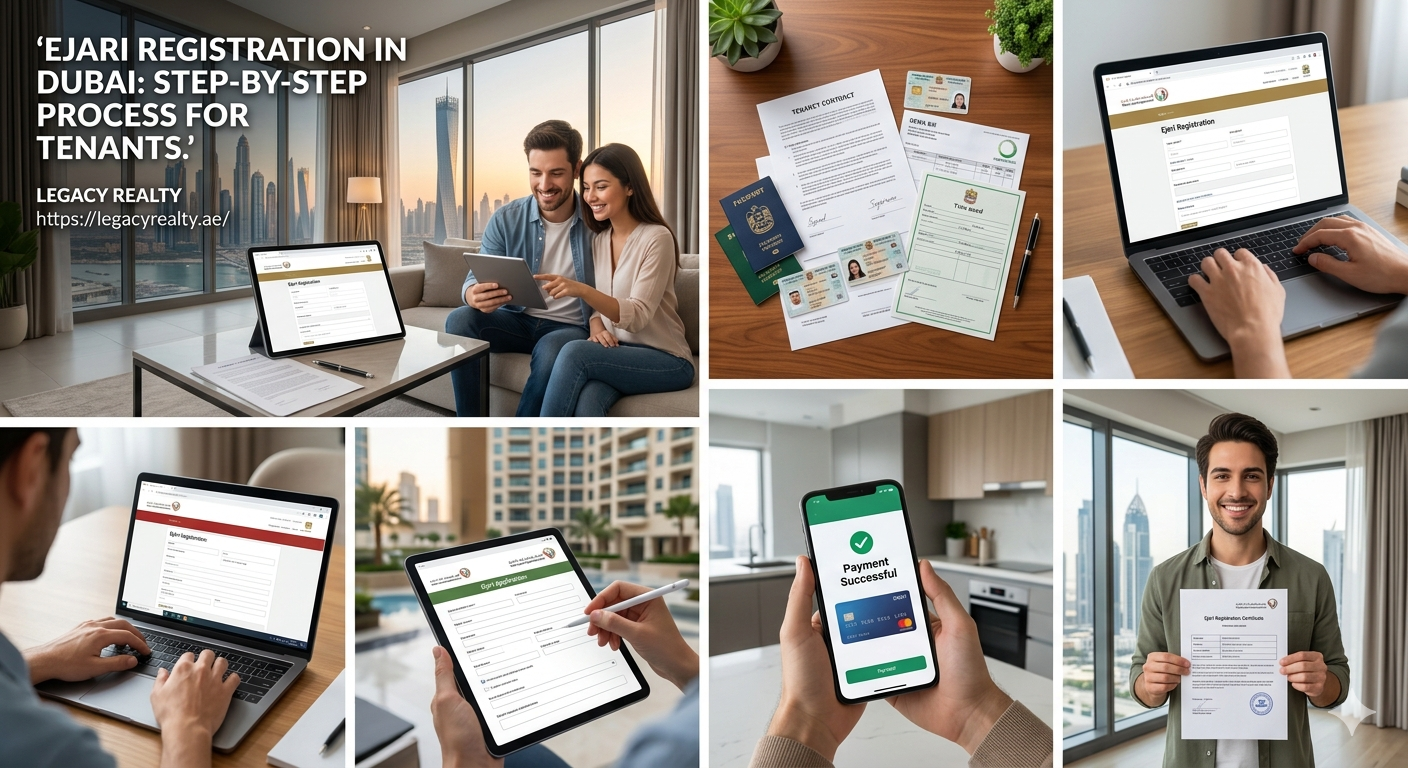
Ejari Registration in Dubai: Step-by-Step Process for Tenants

Introduction If you're renting a property in Dubai, completing your Ejari registration in Dubai is not just a formality—it's a legal requirement. Whether you're a first-time tenant or renewing your lease, understanding the Ejari system is essential to avoid complications with utilities, visa processing, or legal disputes.This guide walks you through everything you need to know, including the step-by-step process, required documents, fees, and why Ejari registration is crucial. What is Ejari in Dubai?Ejari, which means “my rent” in Arabic, is an official system introduced by the Dubai Land Department to regulate and record all rental contracts in Dubai. It ensures transparency between landlords and tenants while protecting both parties' rights.Without Ejari registration, your tenancy contract is not legally recognized in Dubai. Why is Ejari Registration Important?Understanding the importance of Ejari registration in Dubai can save you from legal and administrative issues:1. Legal ProtectionEjari ensures your rental agreement is legally binding and recognized by authorities.2. Access to Essential ServicesYou need Ejari to:Activate DEWA (Dubai Electricity & Water Authority)Apply for residence visasSet up internet and telecom services3. Dispute ResolutionIn case of rental disputes, Ejari acts as official proof of tenancy.4. Compliance with Dubai LawRegistering Ejari is mandatory under Dubai tenancy laws.Documents Required for Ejari RegistrationBefore starting the process, gather the following documents:Signed tenancy contractTenant’s passport copyTenant’s Emirates ID (if available)Landlord’s passport copy (or trade license if company-owned)Title deed of the propertyPrevious Ejari certificate (for renewals)Make sure all documents are clear and valid to avoid delays. Step-by-Step Process for Ejari Registration in DubaiHere’s a simple step-by-step guide to complete your Ejari registration:Step 1: Prepare Your DocumentsEnsure all required documents are complete and signed by both tenant and landlord.Step 2: Choose Registration MethodYou can register Ejari through:Ejari typing centers (offline)Dubai REST app (online)Official Ejari websiteStep 3: Submit ApplicationUpload or submit your documents through your chosen platform.Step 4: Pay Ejari FeesComplete the payment to process your application.Step 5: Receive Ejari CertificateOnce approved, you will receive your Ejari certificate with a unique Ejari number. Ejari Registration Fees in DubaiThe cost of Ejari registration in Dubai is relatively affordable:Ejari registration fee: AED 100Knowledge fee: AED 10Innovation fee: AED 10 Total Estimated Cost: AED 120–220 (depending on service provider)Additional service charges may apply if using typing centers. Online Ejari Registration in DubaiFor convenience, tenants can complete the process online: Benefits of Online RegistrationSaves time and effortAvailable 24/7Easy document uploadInstant tracking of application Steps for Online EjariDownload the Dubai REST appCreate/login to your accountUpload required documentsPay fees onlineReceive digital Ejari certificate Common Mistakes to AvoidWhen applying for Ejari registration, avoid these common errors:Submitting incomplete documentsIncorrect tenant or landlord detailsDelay in registration after signing contractUsing outdated tenancy agreementsThese mistakes can lead to delays or rejection. How Long Does Ejari Registration Take?Typically, Ejari registration is processed within: Online applications: 1–2 working days Typing centers: Same day or within 24 hoursDelays may occur if documents are incorrect or incomplete. Ejari Renewal ProcessIf you're renewing your lease, you must also renew your Ejari:Steps for RenewalSubmit updated tenancy contractProvide previous Ejari certificatePay renewal feesReceive updated Ejari certificate Frequently Asked Questions (FAQs)Is Ejari registration mandatory in Dubai?Yes, it is legally required for all rental agreements.Can tenants register Ejari themselves?Yes, tenants can complete the process online or via typing centers.What happens if Ejari is not registered?You may face issues with utilities, visas, and legal disputes. ConclusionCompleting your Ejari registration in Dubai is a crucial step in securing your tenancy legally and ensuring access to essential services. The process is straightforward, affordable, and can be done online or offline.By following this step-by-step guide, you can avoid delays, ensure compliance with Dubai laws, and enjoy a hassle-free renting experience. Final TipAlways register your Ejari immediately after signing your tenancy contract to avoid unnecessary complications later.
Read Full Article
Process
April 14, 2026

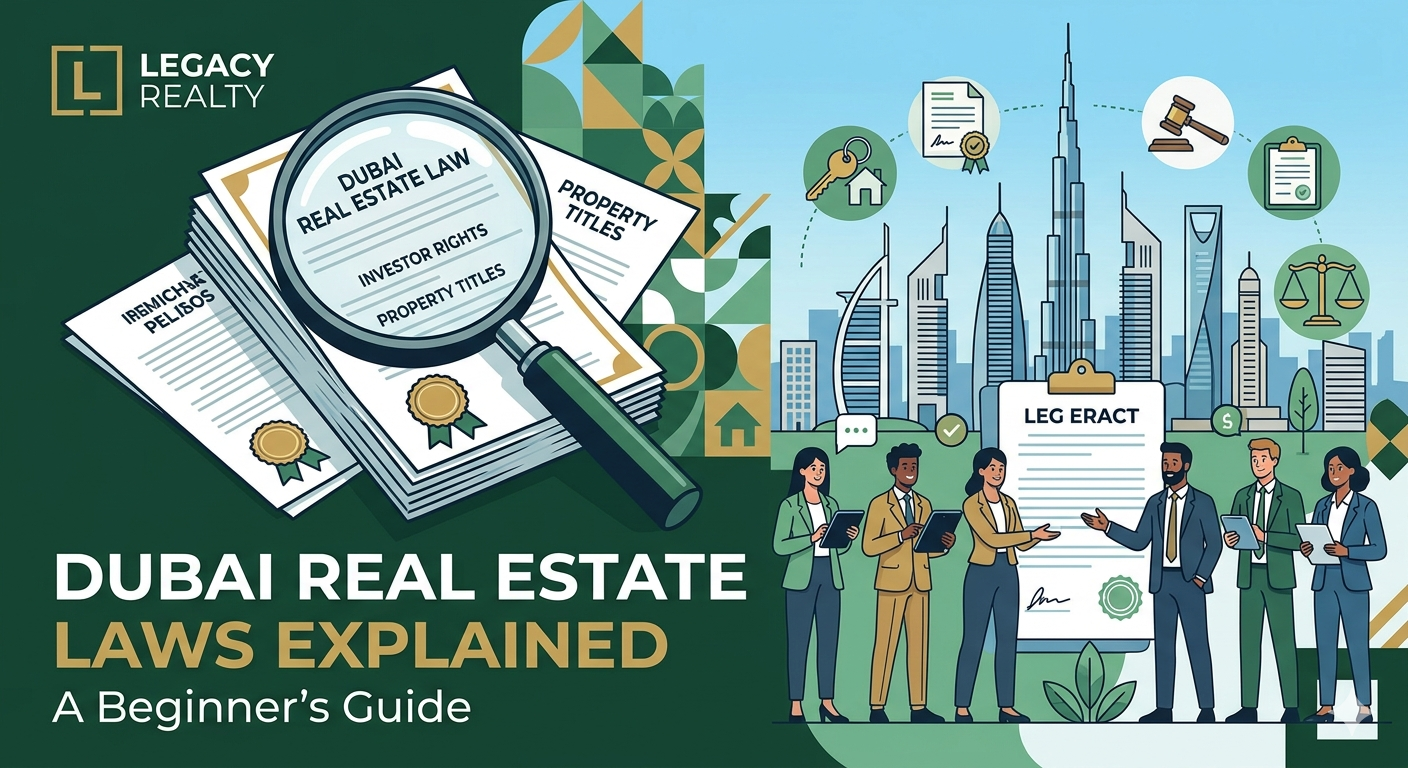
Dubai Real Estate Laws Explained: A Beginner’s Guide

What Are Dubai Real Estate Laws?Dubai real estate laws are a set of regulations that govern property ownership, transactions, leasing, and dispute resolution in Dubai. These laws ensure a transparent, secure, and investor-friendly real estate market.The system is regulated mainly by the Dubai Land Department (DLD) and the Real Estate Regulatory Agency (RERA), which oversee property registration, compliance, and legal enforcement.  Types of Property Ownership in DubaiFreehold OwnershipFreehold ownership gives full ownership of both property and land. It is available to foreigners in designated areas, allowing complete control over selling, leasing, or inheriting the property.Leasehold OwnershipLeasehold ownership grants the right to use a property for a fixed period, typically between 10 and 99 years. The land remains under the ownership of the landlord.Commonhold OwnershipCommonhold ownership applies mostly to apartment buildings, where individuals own their units while sharing ownership of common areas such as hallways, gyms, and pools.  Property Ownership Rights for ForeignersDubai allows foreign nationals to invest in specific freehold zones.Designated Freehold AreasPopular freehold areas include:Dubai MarinaDowntown DubaiPalm JumeirahOwnership BenefitsForeign investors can enjoy:Full ownership rights in freehold zonesRights to sell, lease, or transfer propertyEligibility for residency visa options based on investment value  Key Legal Documents in Dubai Real EstateSale and Purchase Agreement (SPA)A legally binding contract between buyer and seller that outlines payment terms, obligations, and property details.Title DeedThe official ownership document issued by the Dubai Land Department confirming legal ownership of the property.Ejari RegistrationMandatory registration for rental contracts that ensures legal protection for both tenants and landlords.  Property Buying Process in DubaiStep-by-Step ProcessAgree on property priceSign Memorandum of Understanding (MoU)Pay deposit (usually 10%)Obtain No Objection Certificate (NOC) from developerComplete transfer at the Dubai Land DepartmentCommon CostsDLD transfer fee: approximately 4% of property valueAgent commission: around 2%Registration and administrative fees  Rental Laws and Tenant RightsDubai has strong regulations to protect tenants and landlords.Rent Increase RulesRent increases are controlled by the RERA rental index, and landlords must provide at least 90 days’ notice before increasing rent.Tenant Protection RightsTenants are protected against unfair eviction and have the right to contract renewal under regulated conditions.Dispute ResolutionRental disputes are handled by the Rental Dispute Center, ensuring fair and legal resolution.  Legal Protections for Buyers and InvestorsEscrow Account ProtectionAll off-plan project payments are held in regulated escrow accounts to ensure funds are used only for construction.Developer RegulationDevelopers must be registered with authorities and follow strict compliance rules for project approval and execution.Anti-Fraud MeasuresDubai enforces strict penalties against fraud and misrepresentation in real estate transactions.  Common Legal Mistakes to AvoidFailing to verify property ownership before purchaseIgnoring contract clauses in agreementsNot registering rental contracts through EjariSkipping legal due diligence on developers  Dispute Resolution System in DubaiRental Dispute CenterHandles conflicts between landlords and tenants efficiently through legal procedures.Dubai CourtsDeals with major real estate disputes, fraud cases, and contractual breaches.Mediation ServicesMany disputes are resolved through mediation before reaching court, saving time and costs.Why Dubai Real Estate Laws Are Investor-FriendlyDubai offers one of the most secure real estate environments globally due to:Transparent regulatory systemStrong investor protection lawsSecure property registration processNo annual property taxThese factors make Dubai highly attractive for international investors. Final ThoughtsDubai real estate laws provide a structured and secure framework for property investment. By understanding ownership types, legal documents, buying procedures, and tenant rights, investors can make informed and safe decisions in the Dubai property market.
Read Full Article
Process
April 09, 2026

How to Get a Mortgage in Dubai: Complete Guide for Expats (2026)

If you're an expat dreaming of owning property in the UAE, securing a mortgage in Dubai for expats is more achievable than ever. With a well-regulated property market, competitive interest rates, and flexible financing options, Dubai has become a hotspot for foreign investors and residents alike.This comprehensive guide will walk you through everything you need to know—from eligibility requirements to documentation, interest rates, down payments, and the best banks for expat mortgages. Why Dubai is Attractive for Expats Buying PropertyDubai offers:Tax-free property ownershipHigh rental yields (5–8% on average)Long-term residency options linked to property investmentA stable and regulated real estate marketThese factors make it highly appealing for expats to secure a mortgage rather than rent long-term.Can Expats Get a Mortgage in Dubai?Yes, expats can easily obtain a mortgage in Dubai for expats, provided they meet certain criteria set by banks and UAE regulations.Both residents and non-residents are eligible, although terms may differ slightly. Eligibility Criteria for ExpatsTo qualify for a mortgage, expats typically need to meet the following:1. Age RequirementsMinimum: 21 yearsMaximum: 65 (salaried) or 70 (self-employed) at loan maturity2. Minimum SalaryUsually AED 10,000–15,000/monthSome banks may require higher income for premium properties3. Employment StatusSalaried employees or self-employed individualsStable employment (typically 6+ months in current job)4. Credit ScoreA good credit history (Al Etihad Credit Bureau report)No major defaults or outstanding debtsTypes of Mortgages AvailableWhen applying for a mortgage in Dubai for expats, you’ll typically choose from:1. Fixed-Rate MortgageInterest rate locked for 1–5 yearsIdeal for predictable monthly payments2. Variable-Rate MortgageRate fluctuates based on market conditionsUsually tied to EIBOR (Emirates Interbank Offered Rate)3. Offset MortgageLinked to your savings accountReduces interest payable Additional costs to consider:4% Dubai Land Department (DLD) fee2%–3% agent commissionMortgage processing fees (~1%) Interest Rates in Dubai (2026)Mortgage rates vary depending on the bank and your profile:Fixed rates: ~3.99% – 5.5%Variable rates: ~EIBOR + 1.5% – 3%Factors affecting your rate:Credit scoreSalary levelEmployer profileLoan-to-value (LTV) ratio Documents Required for ExpatsPrepare the following when applying: For Salaried IndividualsPassport copyVisa and Emirates IDSalary certificateLast 6 months’ bank statementsPayslips (3–6 months)For Self-EmployedTrade licenseCompany financial statements (2 years)Bank statementsProof of incomeBest Banks Offering Mortgages in DubaiSome of the top banks providing a mortgage in Dubai for expats include:Emirates NBDDubai Islamic BankHSBC Middle EastMashreq BankAbu Dhabi Commercial Bank (ADCB)Each offers different rates, fees, and eligibility conditions—so comparing options is crucial. Step-by-Step Process to Get a MortgageStep 1: Get Pre-ApprovalSubmit initial documentsBank assesses your eligibilityPre-approval valid for 60–90 daysStep 2: Property SelectionChoose a property within your approved budgetStep 3: Final Mortgage ApprovalProperty valuation by the bankFinal offer issuedStep 4: Sign AgreementSign mortgage and sale agreementsStep 5: Transfer OwnershipRegister with Dubai Land DepartmentPay fees and complete transferTips to Increase Approval ChancesMaintain a strong credit scoreReduce existing debtsSave for a higher down paymentChoose properties from approved developersWork with a mortgage brokerCommon Mistakes to AvoidNot budgeting for hidden costsIgnoring pre-approvalChoosing the wrong interest typeOverstretching your financesIs It Better to Rent or Buy in Dubai?Buying with a mortgage in Dubai for expats can be more cost-effective long-term if:You plan to stay 5+ yearsYou want to build equityRental prices are rising Final ThoughtsGetting a mortgage in Dubai for expats is a straightforward process if you understand the requirements and plan ahead. With competitive interest rates, flexible loan options, and strong investment potential, owning property in Dubai is an excellent opportunity for expats.Before applying, compare banks, understand all costs, and ensure your finances are in order to secure the best deal possible. FAQsCan non-residents get a mortgage in Dubai?Yes, but they may face stricter terms and higher down payments.How long does mortgage approval take?Typically 2–4 weeks.What is the maximum loan tenure?Up to 25 years.Can I pay off my mortgage early?Yes, but early settlement fees (usually 1%) may apply.Ready to buy property in Dubai? Start by getting pre-approved and comparing lenders to find the best mortgage deal tailored to your needs.
Read Full Article
Process
April 07, 2026

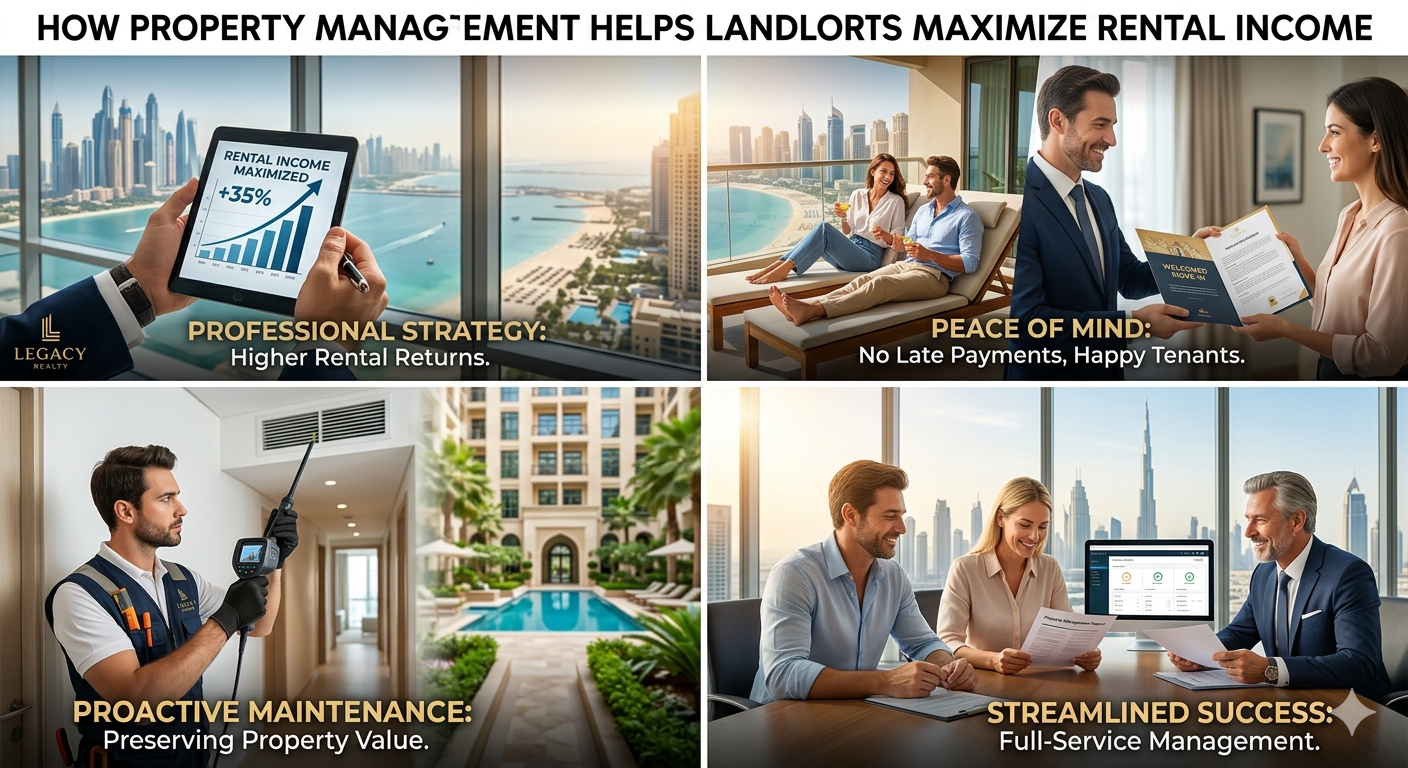
How Property Management Services Help Landlords Maximize Rental Income

IntroductionOwning rental property can be a highly profitable investment—but only when managed effectively. Many landlords struggle with tenant issues, maintenance, legal compliance, and consistent rent collection, which can significantly impact their income.This is where professional property management services come in. Understanding the property management Dubai benefits can help landlords unlock higher returns, reduce stress, and maintain long-term property value.In this guide, we’ll break down how property management companies help maximize rental income and why they are a smart investment for landlords in Dubai. 1. Strategic Tenant Screening for Reliable IncomeOne of the biggest risks landlords face is unreliable tenants. Late payments, property damage, or early lease termination can disrupt your cash flow.How Property Managers Help:Conduct thorough background checksVerify employment and income stabilityReview rental history and referencesScreen for high-risk tenantsImpact on Rental Income:High-quality tenants are more likely to:Pay rent on timeStay longer (reducing vacancy costs)Take care of the propertyThis directly contributes to steady and predictable rental income. 2. Reduced Vacancy Through Effective MarketingEmpty properties mean zero income. A key advantage of property management is minimizing vacancy periods.What They Do:List properties on top real estate portalsUse professional photography and compelling descriptionsSet competitive rental prices based on market analysisHandle inquiries and property showingsResult:Faster tenant placement and optimized rental rates—two essential components of maximizing income. 3. Optimized Rental Pricing StrategySetting the right rental price is crucial. Too high, and your property stays vacant. Too low, and you lose potential income.Property Managers:Analyze current market trendsCompare similar properties in the areaAdjust pricing based on demand and seasonalityBenefit:Landlords earn the maximum possible rent without increasing vacancy risk, one of the key property management Dubai benefits. 4. Efficient Rent Collection SystemsLate or missed rent payments can disrupt your financial planning.Property Management Solutions:Automated payment systemsClear rent policies and enforcementPrompt follow-ups on overdue paymentsLegal escalation when necessaryOutcome:Consistent and timely rental income with minimal effort from the landlord. 5. Proactive Maintenance and Cost ControlNeglected maintenance can lead to costly repairs and unhappy tenants.Services Include:Regular property inspectionsPreventive maintenance schedulingAccess to trusted, cost-effective contractorsQuick response to repair requestsFinancial Advantage:Avoid expensive emergency repairsMaintain property valueKeep tenants satisfied (reducing turnover) 6. Legal Compliance and Risk ManagementDubai has specific rental laws and regulations that landlords must follow. Non-compliance can lead to fines or disputes.Property Managers Handle:Tenancy contracts and documentationCompliance with local rental lawsEviction procedures (if necessary)Dispute resolutionWhy It Matters:Legal protection helps avoid costly mistakes and ensures smooth operations—another major property management Dubai benefits factor. 7. Tenant Retention StrategiesFinding new tenants is expensive. Retaining good tenants is more profitable.How Property Managers Improve Retention:Maintain strong tenant relationshipsEnsure quick issue resolutionOffer lease renewal incentivesKeep properties in excellent conditionResult:Lower turnover rates and reduced vacancy costs, leading to higher long-term income. 8. Time Savings = More Investment OpportunitiesManaging property is time-consuming. From tenant calls to maintenance issues, it can quickly become overwhelming.With Property Management:Day-to-day operations are fully handledLandlords can focus on expanding their portfolioPassive income becomes truly passiveBigger Picture:More time allows landlords to invest in additional properties, increasing overall rental income. 9. Financial Reporting and TransparencyTracking income and expenses is essential for profitability.Property Managers Provide:Detailed financial reportsExpense trackingRental income summariesROI insights Benefit:Landlords can make data-driven decisions to further optimize their investment returns. ConclusionHiring a professional property management company is not just about convenience—it’s a strategic move to maximize rental income.From tenant screening and rent collection to legal compliance and maintenance, the property management Dubai benefits are clear:Higher occupancy ratesBetter tenant qualityConsistent rental incomeReduced operational stressLong-term property value growthFor landlords in Dubai looking to scale their investments and boost profitability, property management services offer a powerful, results-driven solution. FAQs1. Are property management services worth it in Dubai?Yes, they help increase rental income, reduce vacancies, and handle legal and operational complexities efficiently. 2. How much do property managers charge in Dubai?Typically, fees range from 5% to 10% of annual rent, depending on services offered. 3. Can property managers help increase rent?Yes, through market analysis and strategic pricing, they ensure you charge competitive and profitable rates.
Read Full Article
Process
March 31, 2026

Renting Property in Dubai: Complete Guide for Expats

If you're planning to move to Dubai, understanding the rental process is essential for a smooth transition. This renting property in Dubai guide covers everything expats need to know—from finding the right home to signing contracts, registering tenancy, and understanding tenant rights. Why Rent in Dubai? Dubai is one of the most expat-friendly cities in the world, offering:A wide range of rental options (apartments, villas, serviced units)Modern infrastructure and amenitiesTax-free income benefits for many professionalsHowever, renting here follows specific legal procedures that every tenant must understand. Step 1: Property Search in DubaiStart your journey by identifying:Preferred areas (Dubai Marina, Downtown, JVC, etc.)Budget (typically paid annually via post-dated cheques)Type of property (studio, apartment, villa) Where to Search:Online portals (Property Finder, Bayut)Real estate agenciesSocial media groups💡 Tip: Always work with RERA-certified agents to avoid scams. Step 2: Understanding Rental CostsBefore renting, be aware of the full cost breakdown:Annual Rent – Paid in 1–4 chequesSecurity Deposit – Usually 5% (unfurnished) or 10% (furnished)Agency Fee – Around 2–5% of annual rentDEWA Connection – Utility setup feeEjari Registration Fee Step 3: Signing the Tenancy ContractOnce you finalize a property:Review the tenancy contract carefullyEnsure all terms are clearly mentioned (rent, payment schedule, maintenance responsibilities)Dubai follows standardized rental contracts regulated by the government. Step 4: Ejari RegistrationRegistering your tenancy with Ejari is mandatory.Why Ejari Matters:Legal proof of your tenancyRequired for visa processing, utilities, and disputesProtects tenant rightsDocuments Needed:Signed tenancy contractPassport copyEmirates IDTitle deed (provided by landlord) Step 5: Paying the Deposit & Moving InAfter signing:Pay the security depositSubmit post-dated rent chequesSet up utilities (DEWA, internet)Make sure to:Inspect the propertyDocument any damages before moving in Step 6: Tenant Rights in DubaiDubai has strong tenant protection laws regulated by the Rental Dispute Center (RDC).Key Rights:Landlords must give 90 days notice for rent increasesEviction requires valid legal reasonsMaintenance responsibilities must be honored as per contract Always keep a copy of all documents and receipts. Step 7: Rental Renewal ProcessWhen your contract is about to expire:Landlord must notify changes 90 days priorIf no changes, contract auto-renews under same termsYou can negotiate rent based on RERA rental index Common Mistakes to Avoid❌ Not registering Ejari❌ Paying cash without receipts❌ Ignoring contract details❌ Renting without viewing property❌ Dealing with unlicensed agents Final ThoughtsThis renting property in Dubai guide simplifies the process for expats, helping you avoid costly mistakes and legal issues. With proper planning, understanding of rules, and careful documentation, renting in Dubai can be a seamless experience. FAQs1. Can expats rent property in Dubai?Yes, expats can legally rent property across Dubai without restrictions.2. How many cheques are required for rent?Typically 1–4 cheques per year, depending on landlord agreement.3. Is Ejari mandatory?Yes, it is legally required for all rental agreements.4. Can rent increase anytime?No, rent increases are regulated and require 90 days notice. 
Read Full Article
Process
March 26, 2026

How to Sell Your Property Fast in Dubai: Expert Tips from Real Estate Agents

Dubai’s real estate market is fast-paced and highly competitive. Whether you're relocating, upgrading, or simply cashing in on your investment, knowing how to sell property in Dubai fast can make a significant difference in both time and profit.In this guide, we’ll break down proven strategies used by professional real estate agents—from pricing and staging to marketing and negotiation—so you can close your deal quickly and efficiently. 1. Price It Right from Day OneThe biggest mistake sellers make is overpricing their property. While it might seem logical to leave room for negotiation, in Dubai’s dynamic market, overpriced listings often sit unsold.Expert Tips:Conduct a Comparative Market Analysis (CMA) to evaluate similar properties in your area.Study recent sales data—not just listings.Consider market trends (buyer vs. seller market).💡 Pro Insight: Properties priced correctly from the start tend to attract more buyers and even spark bidding wars. 2. Boost First Impressions with Home StagingFirst impressions sell homes—especially in a visually driven market like Dubai.Staging Tips:Declutter and depersonalize the space.Use neutral tones to appeal to a broader audience.Add modern décor for a premium feel.Ensure proper lighting and cleanliness.Even small upgrades like fresh paint or fixing minor issues can significantly increase perceived value. 3. Invest in Professional Property PhotographyIn today’s digital-first property market, high-quality visuals are non-negotiable.What Works Best:Hire a professional real estate photographer.Use wide-angle shots to capture space.Include drone photography for villas and large properties.Add virtual tours or video walkthroughs.📸 Listings with professional images receive significantly more inquiries than those with amateur photos. 4. Leverage Powerful Marketing ChannelsTo sell property fast in Dubai, visibility is key.Effective Marketing Strategies:List on top property portals like Bayut, Property Finder, and Dubizzle.Promote on social media platforms (Instagram, Facebook, LinkedIn).Use targeted ads to reach serious buyers.Collaborate with experienced real estate agents who already have buyer networks.💡 Bonus Tip: Write compelling property descriptions with keywords like “luxury,” “prime location,” and “ready to move in.” 5. Choose the Right Real Estate AgentA skilled agent can dramatically speed up your sale.Look for:Strong local market knowledgeProven sales track recordAccess to qualified buyersNegotiation expertiseAgents often bring pre-qualified buyers, saving you time and effort. 6. Be Flexible with ViewingsThe more accessible your property is, the faster it will sell.Best Practices:Allow viewings during evenings and weekends.Keep your property in “show-ready” condition.Offer virtual tours for overseas buyers.📍 Dubai attracts international investors, so flexibility can open doors to global buyers. 7. Highlight Unique Selling Points (USPs)Every property has something special—make sure buyers see it.Examples:Sea view or skyline viewProximity to metro or landmarksSmart home featuresHigh rental yield potentialClearly showcasing these benefits can justify your price and speed up decision-making. 8. Master the Art of NegotiationNegotiation is where deals are won or lost.Expert Tactics:Set a minimum acceptable price beforehand.Stay calm and professional.Be open to reasonable offers.Consider incentives like covering transfer fees.💡 A good agent can negotiate better terms while keeping the deal moving quickly. 9. Ensure All Legal Documents Are ReadyDelays often happen due to incomplete paperwork.Prepare in Advance:Title deedNo Objection Certificate (NOC)Mortgage clearance (if applicable)Emirates ID and passport copiesHaving everything ready can significantly speed up the transaction process. 10. Target Cash Buyers and InvestorsCash buyers typically close deals faster since there’s no financing approval involved.How to Attract Them:Market your property as “investment-ready”Highlight ROI and rental yieldPrice competitively Final ThoughtsIf you're wondering how to sell property in Dubai fast, the answer lies in combining smart pricing, strong presentation, strategic marketing, and expert negotiation.By following these real estate agent-approved strategies, you can reduce your property’s time on the market and secure the best possible deal—without unnecessary stress FAQsHow long does it take to sell property in Dubai?On average, it can take anywhere from a few weeks to several months depending on pricing, location, and market conditions.Do I need a real estate agent to sell property in Dubai?While not mandatory, working with an agent can significantly speed up the process and improve your chances of getting a better deal.What are the costs involved in selling property in Dubai?Typical costs include agent commission (usually 2%), NOC fees, and potential mortgage clearance fees.
Read Full Article
Process
March 17, 2026

Work Visa vs Skilled Migration Visa: Which One Is Right for You?

Buying property in Dubai has become increasingly popular among international investors due to tax advantages, strong rental yields, and a transparent real estate system. If you're wondering how to buy property in Dubai, understanding the legal process and costs involved can help you avoid mistakes and make a profitable investment.This guide explains the complete property buying process in Dubai, from searching for a property to transferring ownership and receiving the title deed. Why Buy Property in Dubai? Dubai’s real estate market attracts global buyers because of its investor-friendly policies and high return potential.Key benefits include:0% annual property taxHigh rental yields (5–9% in many areas)World-class infrastructure and lifestyleLong-term residency options for investorsSecure government-regulated property system Foreign buyers can also own property in designated freehold areas such as Dubai Marina, Downtown Dubai, and Palm Jumeirah.Step-by-Step Process: How to Buy Property in Dubai 1. Determine Your Budget Before starting your property search, calculate your full investment budget. Besides the property price, buyers must pay additional fees such as:4% transfer fee to the Dubai Land Department Real estate agent commission (usually 2%)Trustee office feesMortgage fees (if financing)For example, a property worth AED 1,000,000 may require approximately 6–8% additional costs. 2. Choose the Right Location Location plays a major role in rental income and property appreciation. Popular areas for buyers include:Dubai Marina – strong rental demandDowntown Dubai – luxury apartmentsJumeirah Village Circle – affordable investments Consider your goal when choosing a location:Rental incomeCapital appreciationPersonal residence 3. Find a Property Most buyers work with licensed real estate agents regulated by the Real Estate Regulatory Agency.When evaluating properties, check:Developer reputation Property conditionAnnual service chargeRental demand in the areaThis research helps ensure your investment is safe and profitable. 4. Make an Offer and Sign the MOU Once you select a property, you negotiate the price with the seller. If the offer is accepted, both parties sign a Memorandum of Understanding (MOU), also known as Form F.This document outlines:Property pricePayment termsTransfer dateResponsibilities of buyer and seller At this stage, the buyer usually pays a 10% deposit to secure the deal. 5. Secure Financing (If Required) If you are buying through a mortgage, you must obtain financing from a UAE bank.Banks typically finance:Up to 75–80% of property value for residentsAround 50–60% for non-residentsDocuments required usually include passport copies, bank statements, and proof of income. 6. Obtain a No Objection Certificate (NOC) Before the ownership transfer, the property developer must issue a No Objection Certificate (NOC) confirming:No outstanding service chargesThe developer has no objection to the saleDevelopers typically charge a small NOC processing fee. 7. Transfer Ownership at Dubai Land Department The final transaction takes place at the Dubai Land Department or an authorized trustee office.During this stage:Buyer pays the remaining property amountTransfer fees are settledOwnership is officially transferred Both buyer and seller must attend or provide legal representation. 8. Receive the Title Deed After the transfer is completed, the buyer receives the official Title Deed issued by the Dubai Land Department.This document confirms that you are the legal owner of the property.Additional Costs When Buying Property in DubaiBesides the property price, buyers should budget for the following expenses:FeeTypical CostDubai Land Department Fee4%Real Estate Agent Commission2%Trustee Office FeeAED 4,000+Mortgage Registration0.25%Understanding these costs helps you plan your investment properly.Tips for First-Time Property Buyers in DubaiTo successfully navigate how to buy property in Dubai, consider these expert tips:Always work with RERA-licensed agents Research the property developer’s history Review annual service charges before buying Inspect resale properties carefully Evaluate expected rental yield Taking these precautions reduces risk and improves investment returns.
Read Full Article